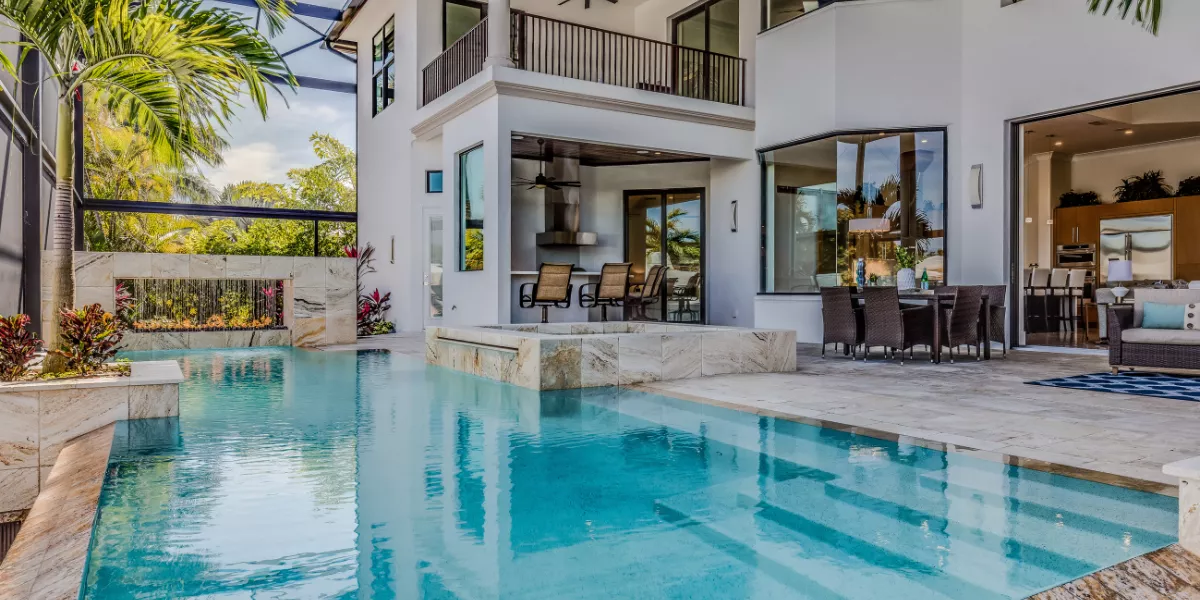
From covered lanais to open patios, each space offers unique benefits, knowing the difference helps you design smarter, not just prettier.
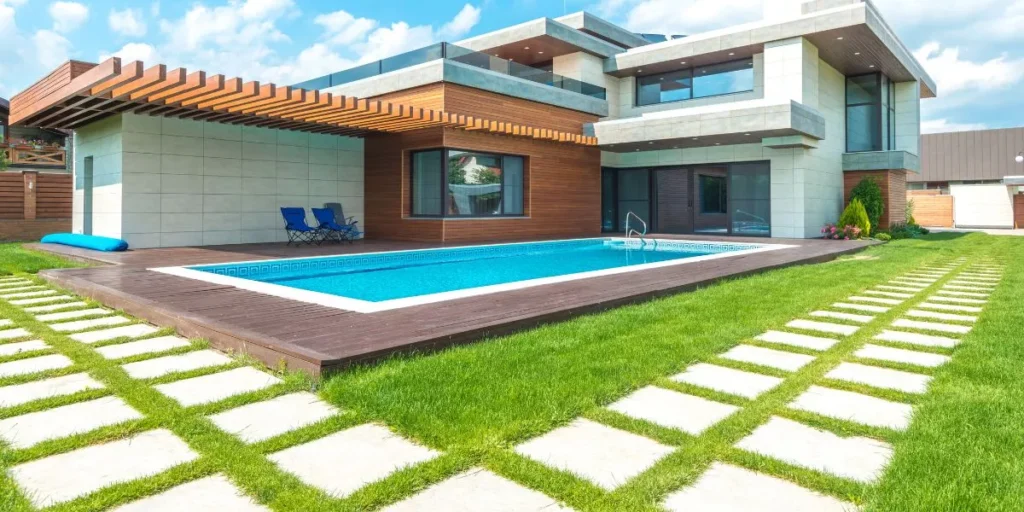
When you imagine unwinding outdoors with a coffee or hosting a summer evening with friends, you probably picture a cozy exterior space, maybe it’s a breezy porch, a shaded lanai, or a sprawling veranda. But what’s the actual difference between these terms that are often used interchangeably?
In this definitive guide, we’ll decode the subtle (and not-so-subtle) distinctions between a lanai, patio, porch, and veranda, so you can make the most informed decisions for your home’s outdoor spaces, whether you’re building new, upgrading, or simply trying to name what you already have.
What Is a Lanai?
At its core, a lanai is an outdoor space that blends the comforts of the indoors with the freshness of the outdoors. The term hails from Hawaii, where the lanai is deeply embedded in architectural tradition. Think of it as an indoor/outdoor room that typically extends from the back of the house.
What sets a lanai apart?
- It’s roofed, usually with a structure that integrates with the home’s main roofline.
- Many lanais are screened or enclosed, offering shelter from bugs, debris, and harsh sunlight.
- Unlike a basic patio or open porch, lanais are often designed with furniture, ceiling fans, or even TVs, blurring the line between a family room and a backyard.
In warm climates like Florida and Hawaii, lanais are cherished for enabling year-round enjoyment of outdoor living. Whether you’re sipping a morning espresso or watching a game outdoors, a lanai adds square footage and value, without fully stepping outside.
Analogy: A lanai is to your backyard what a sunroom is to your living room, but breezier, more flexible, and far more tropical in spirit.
What Is a Patio?
The patio is the most casual and versatile of the group. If you’ve ever stepped outside onto a flat, paved area behind a house, you’ve likely been on a patio.
Here’s what defines a patio:
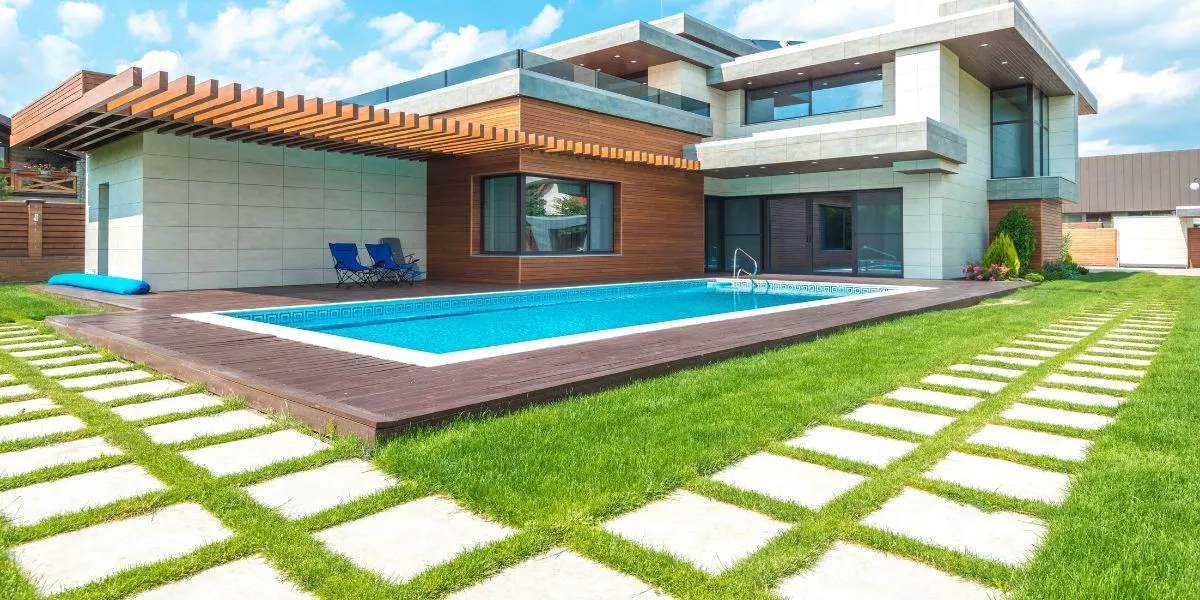
- It’s usually uncovered, though you might add a pergola, canopy, or shade sail.
- It’s on the ground level and directly adjoins the home or sits nearby in the yard.
- It’s typically made from pavers, concrete, flagstone, brick, or gravel.
Because it’s open-air, a patio is ideal for those who love al fresco dining, grilling, or simply sunbathing. It’s the go-to for hosting large gatherings, placing outdoor furniture, and even setting up fire pits.
But don’t mistake its simplicity for lack of style. With creative landscaping, lighting, and decor, a patio can be the crown jewel of your backyard.
Pro tip: In drier climates, uncovered patios are low-maintenance and enduring. But in wetter regions, consider partial coverings for year-round usability.
What Is a Porch?
Let’s head to the front of the house. A porch is a covered platform that’s attached to the front, side, or back of a home, and often acts as a transitional space between the outdoors and indoors.
Key characteristics:
- Roofed and often supported by columns.
- Usually open on the sides, though many are screened in to keep bugs out.
- Commonly found at the entrance of a home, offering protection from the elements and a spot to greet guests.
Porches have strong roots in American architecture, from Southern wraparounds to New England screened porches. They’re also highly functional: shielding the front door, creating a welcoming ambiance, and adding curb appeal.
And let’s not forget the charm. A porch swing, a rocking chair, or even a potted plant can turn a porch into a personal sanctuary.
Fun fact: While a lanai feels like a second living room, a porch feels more like an extended handshake, inviting, practical, and steeped in character.
What Is a Veranda?
Now let’s stretch things out, literally. A veranda is like a porch’s more elaborate cousin. It’s usually larger, often wraps around multiple sides of a home, and brings a hint of Southern elegance to any residence.
What sets a veranda apart?
- It’s roofed and elevated slightly above ground level.
- Typically found on the ground floor, wrapping around the house.
- Includes railing or balustrades, and often features multiple entry points.
Verandas originated in colonial architecture and are especially prevalent in the American South, where they functioned as gallery-style walkways and shaded entertainment spaces.
Whether lined with rocking chairs or adorned with plants and ceiling fans, verandas offer the perfect vantage point for watching the world go by, or hosting a relaxed gathering with old-fashioned charm.
Regional note: In Australia and parts of India, “veranda” is the preferred term for what Americans might call a large porch.
Lanai vs. Patio vs. Porch vs. Veranda: Side-by-Side Comparison
| Feature | Lanai | Patio | Porch | Veranda |
| Roofed | Yes | Not usually (optional cover) | Yes | Yes |
| Screened | Often | Rarely | Sometimes | Rarely |
| Enclosed | Partially or fully | No | Sometimes | Typically open |
| Attached | Yes | Usually, but not always | Yes | Yes |
| Location | Back of house | Backyard or side | Front/back/side | Wraps around ground floor |
| Primary Use | Indoor-outdoor living | Outdoor entertaining | Welcoming, relaxing | Socializing, relaxing |
| Typical Region | Hawaii, Florida | Universal | U.S., globally | Southern U.S., colonial-style homes |
How to Choose the Right Outdoor Space for Your Home
Selecting between these four options isn’t just about aesthetics, it’s about how you live and how your home is designed.
Here are some questions to help you decide:
- Climate: Live somewhere humid or buggy? A screened lanai might make all the difference.
- Budget: Want something budget-friendly? A patio with minimal construction is an economical choice.
- Style of Home: Colonial or Southern-style? A veranda complements traditional architecture beautifully.
- Functionality: Craving a cozy nook for coffee or a family game night spot? Go with a lanai or porch.
- Location Preference: For backyard grilling, nothing beats the patio. For welcoming guests, a porch is ideal.
Each of these outdoor spaces serves a unique purpose. The beauty lies in tailoring it to your lifestyle and the architectural harmony of your home.
Real-Life Example: When a Lanai Wins
Consider this: A Florida family wanted a space to entertain guests without battling mosquitoes or intense sun. A traditional patio wouldn’t cut it. Instead, they built a screened-in lanai with comfortable furniture, ceiling fans, and sliding glass doors. It became their favorite room, not just in summer, but year-round.
That’s the magic of choosing the right space: it becomes part of your life’s best moments.
Final Thoughts: More Than Just Definitions
Understanding the difference between a lanai, patio, porch, and veranda goes far beyond semantics. These spaces shape how you experience your home. They influence your daily routines, your entertaining style, and even the resale value of your property.
Whether you’re dreaming of hosting twilight dinners, lounging in the breeze with a book, or simply upgrading your curb appeal, knowing these terms empowers you to make intentional design choices that fit your climate, lifestyle, and taste.
So, what will it be, the laid-back comfort of a lanai, the sunny openness of a patio, the classic charm of a porch, or the grand elegance of a veranda?
Whichever you choose, make it yours.